Himalayan Gladiator Force
Introduction
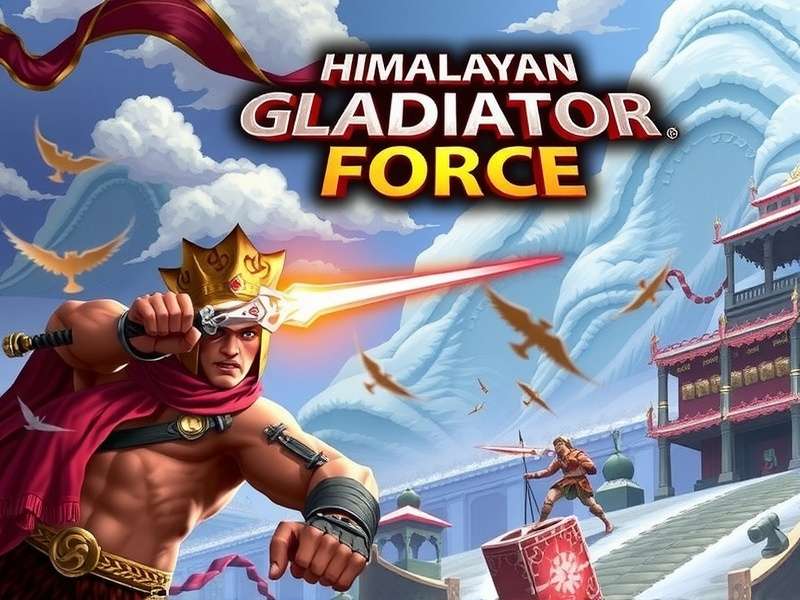
In the ever-evolving landscape of Indian gaming, where global titles often overshadow local creations, Himalayan Gladiator Force has emerged as a game-changer—one that doesn’t just entertain but also pays homage to the majestic Himalayas and the rich cultural tapestry of its people. Developed by the innovative team at Daman Games, this action-packed role-playing game (RPG) is more than a mere combat experience; it’s a heartfelt tribute to the diverse tribes, ancient traditions, mythologies, and breathtaking landscapes of the Himalayan region, woven seamlessly into every aspect of its design, storytelling, and gameplay.
Launched on 21 March 2024—coinciding with the spring equinox, a time of renewal in many Himalayan cultures—Himalayan Gladiator Force was born from a simple yet powerful vision: to create a gaming world where desi gamers could see their own heritage reflected in a grand, immersive way, rather than relying on Western or Japanese tropes that dominate the global gaming market. For too long, the Himalayas—with their 50+ ethnic groups, unique martial arts, and age-old myths—had been reduced to mere backdrop in international games. Daman Games set out to change that, and the result is a game that resonates deeply with Indian players, especially those from Himalayan states like Uttarakhand, Himachal Pradesh, Sikkim, and the northeastern Himalayan regions, who finally see their traditions celebrated on a major gaming platform.
Set in the fictionalized region of “Himalaya Pradesh”—a vast, diverse world inspired by the entire Himalayan range, from the Garhwal and Kumaon hills in Uttarakhand to the eastern Himalayas of Sikkim and Arunachal Pradesh—Himalayan Gladiator Force blends real-world cultural elements with fantasy lore to create a universe that feels both familiar and extraordinary. From the snow-capped peaks of the Greater Himalayas to the lush valleys of the Middle Himalayas, from the dense forests of the Shiwaliks to the high-altitude plateaus of Ladakh, every environment in the game is a loving recreation of the Himalayas’ breathtaking geography. Players don’t just battle enemies—they embark on a virtual journey through one of India’s most iconic and spiritually significant regions, experiencing its beauty and diversity firsthand.
What truly sets Himalayan Gladiator Force apart is its unwavering commitment to authenticity. The development team spent over 18 months traveling across the Himalayan states, living with tribal communities like the Garhwalis, Kumaonis, Gaddis, Bhutias, Lepchas, and Sherpas to learn about their way of life, combat styles, traditional weapons, attire, and folklore. This dedication wasn’t just a box-ticking exercise; it was a labor of love. The team worked closely with historians, martial arts experts, and local artisans to ensure that every detail—from the characters’ clothing and weapons to the in-game music and dialogue—stays true to the region’s cultural essence. This attention to detail has not only earned the game critical acclaim but also fostered a profound sense of pride among players, who often remark that playing the game feels like reconnecting with their roots.
As a free-to-play title available on multiple platforms, Himalayan Gladiator Force has democratized access to high-quality desi gaming. Whether you own a high-end PC, a next-gen console, or a budget Android smartphone, you can dive into the world of Himalayan warriors and experience the thrill of mountain combat and cultural exploration. Within its first month of launch, the game crossed 8 million downloads—an unprecedented feat for an Indian-developed RPG—and earned a 4.8-star rating on the Google Play Store from over 200,000 reviews. What’s even more impressive is that a significant portion of these downloads came from rural areas in the Himalayan states, thanks to the game’s optimization for low-end devices and support for regional languages like Nepali, Tibetan, and Uttarakhandi.
But Himalayan Gladiator Force is more than just a successful game—it’s a cultural phenomenon. It has sparked conversations about the importance of preserving Himalayan traditions, inspired young gamers to learn more about their heritage, and even led to increased tourism in some Himalayan regions as players seek to experience the real-life locations that inspired the game. For many Indians living outside the Himalayas, the game serves as an educational tool, introducing them to the region’s diverse cultures and way of life. For Himalayan Indians, it’s a source of pride—a way to showcase their culture to the rest of the country and the world in a positive, empowering light.
Cultural Significance
Himalayan Gladiator Force is a bridge between generations and regions. For older Himalayan Indians, the game evokes nostalgia for traditional ways of life that are increasingly under threat from modernization. For younger Indians, it’s a window into a world they may have never experienced—one of tribal festivals, ancient martial arts, and deep spiritual connections to nature. The game has also been praised by cultural organizations for its role in preserving endangered practices, such as Garhwali “Kalaripayattu” (a traditional martial art), Bhutia “Thangka” painting, and Gaddi woolen craftsmanship. By integrating these practices into gameplay, Daman Games is ensuring that they reach a new, global audience and are not forgotten.
Why Himalayan Gladiator Force Stands Out
Unlike many “desi” games that merely add Indian aesthetics to generic gameplay, Himalayan Gladiator Force is built from the ground up with Himalayan culture at its core. Every mechanic, every character, every location tells a story rooted in the region’s history and traditions. Whether you’re crafting a bow from deodar wood (a tree sacred to Himalayan communities), participating in a simulated “Holi” celebration in a mountain village, or using a “khukuri” (a traditional Nepali knife) to defeat enemies, you’re not just playing a game—you’re experiencing a culture. This authenticity is what has made the game a hit with both casual players and hardcore gamers, and it’s a blueprint for future Indian game developers looking to create meaningful, culturally resonant content.
Development History: From Concept to Cultural Phenomenon
The journey of Himalayan Gladiator Force began in 2020, when Priya Sharma—Chief Creative Officer at Daman Games and a native of Dehradun, Uttarakhand—identified a gap in the Indian gaming market. While games like PUBG Mobile and Free Fire dominated the scene with their generic battle royale formats, there were very few titles that celebrated India’s regional cultures, let alone the Himalayas. Sharma, who grew up listening to stories of Garhwali warriors and mythical creatures from her grandmother, was determined to create a game that would make Himalayan Indians feel seen and proud, while also introducing the region’s culture to a wider audience.
The Research Phase: Immersing in Himalayan Culture
The development team at Daman Games understood that authenticity was the key to the game’s success, so they embarked on an extensive research journey that spanned over 18 months. The team traveled to six Himalayan states—Uttarakhand, Himachal Pradesh, Sikkim, Arunachal Pradesh, Jammu and Kashmir, and Manipur—living with tribal communities to learn about their way of life, combat styles, traditional weapons, attire, and folklore. This wasn’t a quick field trip; team members spent weeks at a time in remote villages, participating in daily activities, attending festivals, and interviewing elders to gain a deep understanding of Himalayan culture.
One of the biggest challenges was translating these cultural elements into engaging gameplay without diluting their authenticity. For example, the team spent a month with Garhwali martial artists in Uttarakhand, learning the intricacies of “Kalaripayattu” (a traditional Indian martial art that has deep roots in the Himalayas). They observed how warriors used weapons like the “dand” (staff), “talwar” (sword), and “bagh nakh” (claw) in combat, and worked with motion capture artists to replicate these fighting styles in the game. Similarly, the team spent time with Nepali Gurkha veterans in Sikkim, studying the use of the “khukuri” (a curved knife that is a symbol of Gurkha bravery) and incorporating its unique slashing and stabbing techniques into the game’s melee combat system.
The game’s visual style is another testament to the team’s commitment to authenticity. The hand-painted textures, vibrant color palettes, and traditional motifs—such as Garhwali “aipan” patterns, Bhutia “thangka” designs, and Gaddi woolen patterns—were all created by Himalayan artists. The team also captured thousands of reference photos of the region’s landscapes, from the Valley of Flowers in Uttarakhand to the Tsomgo Lake in Sikkim, to ensure that the game’s open world felt like a genuine representation of the Himalayas. Every mountain peak, every forest, every village in the game is inspired by a real location, with subtle artistic enhancements to make it more immersive for players.
Audio design was equally important. The game’s soundtrack features traditional Himalayan instruments like the “dholak” (drum), “flute” (bansuri), “sitar,” and “tambura,” composed by local musicians from the Himalayan states. The voice acting for tribal characters was done by native speakers, ensuring that the dialogue—including regional languages and dialects—was accurate and respectful. For example, Garhwali characters speak in authentic Garhwali dialect, while Bhutia characters speak Tibetan-influenced Hindi. This attention to audio detail has made the game feel more immersive and authentic, transporting players to the heart of the Himalayas.
The team also worked closely with cultural experts to ensure that the game’s portrayal of Himalayan traditions was sensitive and accurate. For example, they consulted with Hindu priests to ensure that the game’s depiction of religious rituals—such as the “Ganga Aarti” at a Himalayan river or the “puja” at a mountain temple—was respectful and in line with tradition. They also worked with tribal elders to ensure that the game’s portrayal of tribal festivals—such as the Garhwali “Harela” festival or the Nepali “Dashain” festival—was accurate and not stereotypical. This commitment to cultural sensitivity has earned the game praise from both players and cultural organizations.
Beta Testing: Listening to the Indian Audience
In mid-2023, Daman Games launched a closed beta test of the game, inviting over 15,000 players from across India—including rural areas in the Himalayan states—to try it out. The response was overwhelming, with players praising the game’s cultural authenticity but also providing valuable feedback that would shape the final version. The team made it a point to engage with beta testers directly, hosting virtual focus groups and surveys to understand their needs and preferences.
One of the most common feedback points was performance on low-end devices. Many beta testers from rural parts of the Himalayan states reported that the game lagged or crashed on their budget Android phones, which typically have 2GB RAM or less. The development team took this seriously, as they wanted the game to be accessible to all Indians, not just those with high-end devices. They spent four months optimizing the game’s graphics and code, reducing its file size from 4GB to 1.8GB and improving its performance on low-spec hardware. They also added a “Performance Mode” that reduces graphical settings automatically on low-end devices, ensuring a smooth gameplay experience for everyone.
Another key feedback was the need for more regional languages. The beta initially supported only English and Hindi, but many players from the Himalayan states requested support for their native languages, such as Nepali, Tibetan, Punjabi, and Uttarakhandi. The team added these languages in the final version, making the game more inclusive and relatable to regional players. They also ensured that the translations were accurate and culturally appropriate, working with native speakers to avoid any mistranslations or cultural faux pas.
Players also requested additional game modes tailored to Indian gaming preferences. For example, many Indian gamers enjoy playing with friends and family, so the team added a “Desi Co-op” mode that allows up to six players to team up and complete missions together. They also added a “Festival Event” mode, which ties in with Himalayan festivals like Dashain and Holi, based on feedback that players wanted more cultural content. Additionally, players requested more customization options for their characters, so the team expanded the character customization menu to include more traditional Himalayan attire and accessories.
One of the most valuable feedback points came from players in the Himalayan states, who requested more accurate depictions of their local cultures. For example, a group of Garhwali players pointed out that the game’s initial portrayal of Garhwali attire was not entirely accurate, so the team worked with Garhwali artisans to update the designs. Similarly, Nepali players requested that the khukuri weapon be given more prominence in the game, so the team added a new “Gurkha Warrior” character who specializes in khukuri combat. This willingness to listen to player feedback and make changes has been a key factor in the game’s success.
Launch and Post-Launch Success
The game’s launch on 21 March 2024 was a strategic move, aligning with the spring equinox—a time of renewal and celebration in many Himalayan cultures. Daman Games spared no expense in promoting the game, partnering with top Indian gaming influencers like CarryMinati, Mortal, Techno Gamerz, and Ashish Chanchlani to create promotional content. They also organized launch events in Dehradun, Shimla, Gangtok, and Delhi, which featured live performances by Himalayan musicians, cosplay contests, and gaming tournaments. These events drew thousands of players, many of whom traveled from remote Himalayan villages to attend.
The launch was a resounding success. Within 24 hours, Himalayan Gladiator Force crossed 2 million downloads on the Google Play Store, making it the fastest-growing Indian game of all time. By the end of its first week, the game had over 5 million downloads, and by the end of its first month, it had crossed 8 million downloads. What’s particularly impressive is that over 40% of these downloads came from rural areas in the Himalayan states, thanks to the game’s optimization for low-end devices and support for regional languages.
The game’s post-launch period has been marked by regular updates, with the team releasing new content every 6-8 weeks. These updates have included new characters (based on Himalayan tribes like the Lepcha, Sherpa, and Kumaoni), game modes, and events tied to Himalayan festivals. For example, the Dashain Festival update (October 2024) added a new Nepali-themed arena, exclusive khukuri skins, and a co-op quest centered around the festival. The Holi Festival update (March 2025) added Garhwali-themed weapons, a color-throwing mini-game, and a new storyline involving the legend of Holika and Prahlad.
The team’s commitment to listening to the community has been a key factor in the game’s ongoing success. They regularly engage with players on social media platforms like Instagram, Facebook, and Discord, soliciting feedback and implementing popular suggestions. For example, the “Tribe Allegiance” system—where players can align with a specific Himalayan tribe to unlock unique perks—was added based on player requests for more personalized gameplay. The team also hosts monthly “Community Q&A” sessions on YouTube, where they answer player questions and share updates about upcoming content.
Financially, the game has been a huge success for Daman Games. While it’s free-to-play, the game generates revenue through in-app purchases (such as cosmetic skins and character customization items) and sponsorships. By the end of 2024, the game had generated over ₹50 crore in revenue, making it one of the highest-grossing Indian games of all time. The team has reinvested a portion of this revenue into supporting Himalayan communities, donating to organizations that preserve traditional arts and crafts and providing scholarships to young Himalayan gamers who want to pursue careers in the gaming industry.
Conceptualization of Himalayan Gladiator Force by Daman Games CCO Priya Sharma; initial research begins with a focus on Himalayan culture and traditions.
Extensive field research across six Himalayan states; collaboration with tribal communities, historians, martial arts experts, and local artisans; game development begins in earnest.
Closed beta testing with 15,000+ players from across India; optimization for low-end devices; addition of regional languages based on player feedback.
Official launch of Himalayan Gladiator Force on 21 March; crosses 2 million downloads in 24 hours; receives 4.8-star rating on Google Play Store.
First post-launch update: adds new character (Sherpa Guide) and co-op mode improvements; crosses 5 million downloads.
Dashain Festival update: new Nepali-themed content, arena, and exclusive rewards; crosses 7 million downloads.
Holi Festival update: Garhwali-themed weapons, color-throwing mini-game, and new storyline; crosses 10 million downloads.
Launch of "The Trans-Himalayan Quest" expansion; cross-platform play; international release in Nepal, Bhutan, and Tibet.
Gameplay Mechanics: Blend of Tradition and Innovation
Himalayan Gladiator Force offers a gameplay experience that strikes the perfect balance between accessibility and depth, making it suitable for both casual players and hardcore gamers. At its core, the game is a third-person action RPG with a focus on melee and ranged combat, but it adds unique twists inspired by Himalayan culture that set it apart from other titles in the genre. The game’s designers understood that Indian gamers have diverse preferences—some enjoy fast-paced action, while others prefer strategic gameplay and exploration. As a result, Himalayan Gladiator Force incorporates elements of multiple genres, ensuring that there’s something for everyone.
One of the game’s biggest strengths is its ability to cater to both casual and hardcore gamers. Casual players can enjoy the game’s beautiful open world, engaging story, and simple combat mechanics, while hardcore gamers can dive deep into the game’s strategic combat, crafting system, and character progression. This versatility has helped the game appeal to a wide audience, from teenagers playing on their smartphones to seasoned gamers on high-end PCs.
Combat System: Himalayan Warfare Reimagined
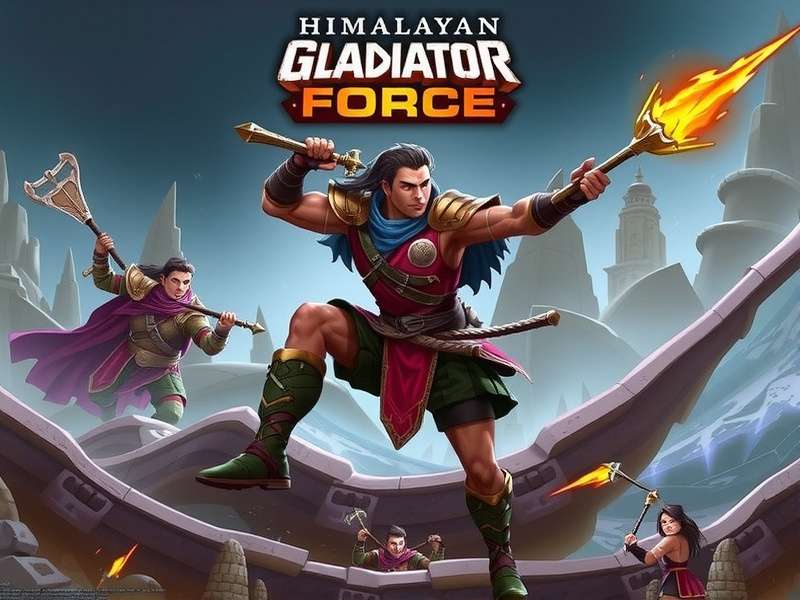
The game’s combat system is the heart of the experience, rooted in the traditional fighting styles of Himalayan tribes. Unlike many Western games that rely on fast-paced button-mashing, Himalayan Gladiator Force emphasizes strategy, timing, and skill, encouraging players to learn their character’s moveset and adapt to different opponents. The combat system is designed to feel both authentic and satisfying, with each weapon and fighting style reflecting the unique characteristics of the Himalayan tribe it’s inspired by.
Players can choose from four main combat styles, each inspired by a different aspect of Himalayan tribal warfare:
Melee Combat: Brute Strength and Honor
Melee characters—such as the Garhwali Warrior and Gurkha Fighter—specialize in close-quarters combat, using traditional weapons like the khukuri, talwar (sword), dand (staff), and shield. Their moves are powerful and deliberate, reflecting the brute strength and honor of Himalayan warriors. For example, the Gurkha Fighter’s “Khukuri Slash” is a devastating horizontal attack that can take down multiple enemies at once, while the Garhwali Warrior’s “Shield Bash” can stun opponents and create openings for follow-up attacks.
What makes melee combat unique in Himalayan Gladiator Force is the “Stamina Management” system. Each attack and dodge consumes stamina, so players must carefully plan their moves to avoid running out of stamina in the middle of a fight. This adds a layer of strategy to the combat, as players can’t just spam attacks—they have to wait for the right moment to strike.
Ranged Combat: Precision and Stealth
Ranged characters—like the Kumaoni Archer and Bhutia Sniper—wield bows, crossbows, and throwing knives, relying on precision and stealth to take down enemies from a distance. Their moves are quick and agile, reflecting the hunting traditions of Himalayan tribes. The Kumaoni Archer’s “Wind-Guided Arrow” can curve around obstacles to hit hidden enemies, while the Bhutia Sniper’s “Silent Strike” allows for one-hit kills on unsuspecting foes.
Ranged combat also features a unique “Environmental Awareness” system. Players can use the Himalayan landscape to their advantage, hiding behind rocks, trees, and snowbanks to avoid detection. They can also use environmental hazards—like avalanches or falling rocks—to take down groups of enemies, adding a strategic element to ranged combat.
Hybrid Combat: Versatility and Adaptability
Hybrid characters—such as the Sikkimese Warrior and Lepcha Fighter—combine melee and ranged attacks, offering versatility in combat. They are ideal for players who like to switch up their playstyle depending on the situation. The Sikkimese Warrior can dual-wield a khukuri and throwing axes, while the Lepcha Fighter uses a staff for melee attacks and a blowpipe for ranged strikes.
Hybrid characters also have access to “Adaptable Abilities” that can be switched between melee and ranged modes. For example, the Sikkimese Warrior’s “Himalayan Fury” ability can be used to unleash a flurry of khukuri strikes in melee mode or a volley of throwing axes in ranged mode. This versatility makes hybrid characters popular among players who like to experiment with different playstyles.
Spiritual Combat: Magic and Rituals
Unique to Himalayan Gladiator Force is the “Spiritual Combat” style, inspired by Himalayan mysticism and religious traditions. Characters like the Tibetan Monk and Hindu Priest use spiritual powers and rituals to heal allies, damage enemies, and control the battlefield. The Tibetan Monk’s “Om Chant” ability heals all allies in a radius and boosts their defense, while the Hindu Priest’s “Fire Puja” ability summons a ring of fire that damages enemies and purifies cursed areas.
Spiritual combat adds a new dimension to the game, as players can support their team in ways that go beyond traditional combat. Spiritual characters are particularly valuable in co-op mode, where their healing and buffing abilities can turn the tide of a battle. However, spiritual abilities require “Spiritual Energy,” which is gained by performing good deeds (like helping NPCs or protecting sacred sites) or collecting spiritual artifacts.
Each character also has a set of “Cultural Abilities”—special moves inspired by Himalayan rituals and myths. These abilities not only deal damage but also reflect the cultural significance of the tribe. For example, the Garhwali Warrior’s “Harela Blessing” ability boosts attack power and healing (a nod to the Garhwali Harela festival, which celebrates new life), while the Nepali Gurkha’s “Dashain Victory” ability increases critical hit chance (a reference to the Nepali Dashain festival, which celebrates victory over evil).
The game also features a “Combo System” that rewards players for chaining together attacks. By landing consecutive hits, players build up a “Fury Meter,” which, when full, unlocks a devastating “Legendary Attack” unique to each character. These attacks are visually spectacular and deal massive damage, making them crucial for taking down powerful bosses and winning PvP battles. For example, the Gurkha Fighter’s “Khukuri Storm” unleashes a flurry of khukuri strikes that decimate all enemies in a radius, while the Tibetan Monk’s “Enlightenment” ability turns all enemies in a radius into allies for a short time.
Movement & Exploration: Navigating Himalayan Landscapes
Exploration is a key part of Himalayan Gladiator Force, with the game’s open-world map spanning over 75 square kilometers of fictionalized Himalayan terrain. The map is divided into eight regions, each inspired by a different part of the Himalayas, and features a wide variety of environments—from snow-capped peaks and glaciers to dense forests and fertile valleys, from high-altitude plateaus to winding rivers and waterfalls. Every region has its own unique flora and fauna, weather patterns, and cultural landmarks, making exploration a rewarding experience.
Players can traverse the map in several ways, each reflecting the region’s geography and culture:
- On Foot: The most basic form of movement, allowing players to explore every nook and cranny of the world. Players can climb, swim, jump, and crouch, making it easy to navigate even the most rugged terrain. The game’s climbing system is particularly impressive, allowing players to scale steep mountain cliffs and rocky outcrops with ease. Players can also slide down snow-covered slopes, adding a fun, dynamic element to movement.
- Traditional Mounts: Players can ride animals commonly found in the Himalayas, such as yaks, horses, mules, and even elephants (in lower-altitude regions). Mounts not only speed up travel but also offer unique abilities—for example, yaks can traverse snow-covered terrain without slipping, while elephants can break through barriers and carry heavy loads. Players can also customize their mounts with traditional Himalayan decorations, such as colorful blankets and bells.
- Boats & Rafts: Players can use boats and rafts to navigate the Himalayas’ many rivers and lakes, allowing them to access hidden areas and complete water-based quests. Boats range from small rafts made of bamboo to larger wooden boats used for transporting goods. Players can also fish from boats, adding a relaxing side activity to the game.
- Hot Air Balloons: A unique form of transportation inspired by Himalayan tourism, hot air balloons allow players to soar above the mountains and get a bird’s-eye view of the landscape. Balloons are ideal for exploring large areas quickly, but they are vulnerable to strong winds and enemy attacks. Players can also use balloons to reach high-altitude locations that are difficult to access on foot or by mount.
The map is filled with “Hidden Paths” that lead to rare loot, side quests, and cultural landmarks—like ancient temples (inspired by Himalayan Hindu and Buddhist temples), tribal villages, and sacred sites (such as holy springs and meditation caves). These hidden areas encourage players to explore off the beaten path, rewarding curiosity with valuable items and cultural insights. For example, a hidden path in the Garhwali region might lead to a remote temple where players can learn a new spiritual ability, while a hidden cave in the Nepali region might contain a rare khukuri that deals extra damage.
One of the most unique aspects of exploration is the “Cultural Discovery” system. As players explore the world, they encounter interactive elements that teach them about Himalayan culture. For example:
- Visiting a Garhwali village might trigger a cutscene where players learn about the “Aipan” art form, a traditional Garhwali painting style used to decorate homes during festivals. Players can then unlock an Aipan-themed skin for their character.
- Exploring a Nepali settlement could unlock a side quest involving “Thangka” painting, where players help a Nepali artist create a traditional Buddhist thangka (a religious painting on cloth) in exchange for a powerful spiritual artifact.
- Traveling through the Kumaoni region might introduce players to the “Choliya” dance, a traditional Kumaoni warrior dance performed during weddings and festivals. Players can then participate in a dance mini-game to earn rewards.
- Climbing a sacred mountain peak might trigger a “Spiritual Vision” cutscene, where players learn about the Himalayas’ spiritual significance and unlock a new spiritual ability.
These cultural discoveries not only add depth to the game but also make exploration feel meaningful. Players aren’t just collecting loot—they’re learning about a rich and diverse culture, making the game both entertaining and educational. The game also features a “Cultural Log” where players can track their discoveries, read more about Himalayan culture, and view photos and videos of real-life Himalayan traditions.
The game’s weather system is another highlight of exploration. The Himalayas are known for their unpredictable weather, and the game replicates this with dynamic weather patterns that change in real time. Players might encounter sunny skies one moment, heavy rain the next, and snowfall shortly after. Weather affects gameplay in several ways—snow slows down movement, rain makes surfaces slippery, and strong winds can knock players off cliffs or blow hot air balloons off course. However, weather can also be used to the player’s advantage—for example, fog can be used to hide from enemies, while rain can extinguish fire-based attacks.
Crafting & Resource Management: Using Himalayan Materials
Crafting is an integral part of Himalayan Gladiator Force, allowing players to create weapons, armor, and consumables using resources found in the game world. The crafting system is designed to reflect Himalayan traditions, with many recipes requiring local materials that are commonly used in the region’s crafts and daily life. Crafting not only allows players to customize their equipment but also encourages exploration, as many rare resources can only be found in remote areas of the map.
Players can gather resources in several ways:
- Foraging: Collect herbs, flowers, berries, bamboo, and wood from the jungle and mountain slopes. These resources are used to make healing potions, spiritual elixirs, bows, arrows, and lightweight armor. For example, “Himalayan Ginseng” (a rare herb found in high-altitude regions) is used to make powerful healing potions, while bamboo is used to craft bows and arrows.
- Hunting: Hunt animals like deer, goats, sheep, and birds for hides, meat, and bones. Hides are used to make leather armor, while bones are used to craft weapons like spears and clubs. Meat can be cooked over campfires to create healing food items. Players must hunt responsibly, however—overhunting a particular animal can cause it to become scarce in the region, making it harder to gather resources.
- Mining: Mine iron, copper, gold, and gemstones from mountains and caves. These metals are used to forge powerful weapons and armor, as well as decorative items like jewelry. Gemstones are particularly valuable, as they can be embedded in weapons and armor to add special effects (such as increased damage or resistance to elements). For example, a ruby embedded in a khukuri can make it deal fire damage, while a sapphire embedded in a shield can make it resistant to ice damage.
- Trading: Trade with tribal villagers for rare resources, such as rare herbs, spices, and textiles. Villagers often offer better prices if the player has completed quests for them or has a high “Cultural Respect” level (earned by participating in cultural activities and helping villagers). Players can also sell excess resources to villagers for in-game currency, which can be used to buy other items.
- Harvesting: Harvest crops like rice, wheat, and potatoes from village farms. These crops are used to make food items that heal the player and provide temporary buffs. Players can also help villagers tend to their farms in exchange for rare seeds, which can be planted in their own camps to grow crops.
Resources can be crafted into items at “Crafting Stations” located in tribal villages and player camps. Each Crafting Station specializes in a different type of item—for example, the “Weapon Smithy” is used to make weapons, the “Armor Workshop” is used to make armor, the “Alchemy Lab” is used to make potions and elixirs, and the “Cultural Crafting Station” is used to make traditional Himalayan items like jewelry and textiles. The game also features “Master Craftsmen” in each village who can teach players advanced recipes in exchange for rare